
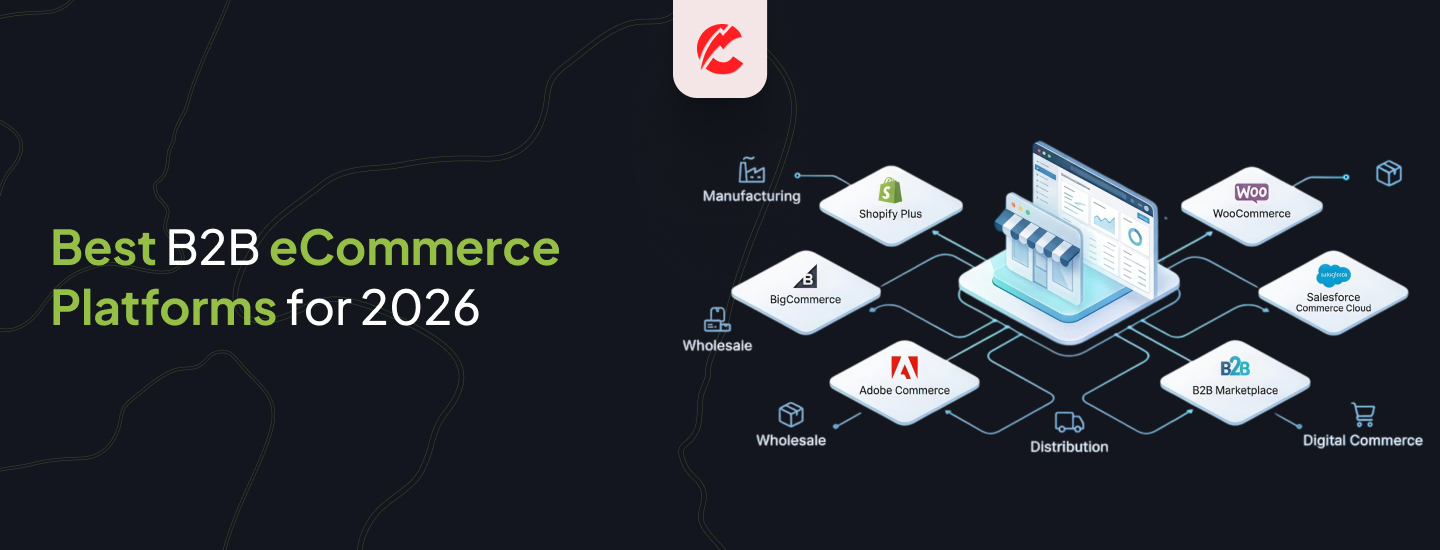
B2B eCommerce is changing rapidly in 2026. Buyers no longer tolerate slow ordering systems, outdated portals, or complicated purchasing processes. Businesses now need fast, scalable, and customer-focused commerce platforms to stay competitive.
The challenge is that not every B2B eCommerce platform is built for modern business needs.
Some platforms work better for wholesalers, while others are designed for manufacturers, distributors, or enterprise brands handling complex catalogs, custom pricing, and bulk orders.
That is why choosing the right platform matters.
In this guide, we compare the best B2B eCommerce platforms in 2026 based on features, scalability, SEO capabilities, integrations, pricing, and overall business value. We also cover leading solutions like Shopify, BigCommerce, Adobe Commerce, and WooCommerce to help you find the right platform for long-term growth.
What Is a B2B eCommerce Platform?
A B2B eCommerce platform is software that allows businesses to sell products or services online to other businesses. Unlike B2C stores, B2B commerce platforms are built for complex buying processes, bulk orders, negotiated pricing, and long-term customer relationships.
These platforms help manufacturers, wholesalers, distributors, and enterprise companies manage online sales more efficiently.
Modern B2B eCommerce solutions typically include features such as:
● Custom pricing and customer-specific catalogs
● Bulk ordering and quick reordering
● Multi-user business accounts
● ERP and CRM integrations
● Inventory and order management
● Self-service customer portals
● Advanced SEO and mobile optimization
Today, B2B buyers expect the same fast and seamless experience they get from B2C websites. That is why businesses are investing in scalable B2B commerce software that improve customer experience, automate operations, and support long-term growth.
Types of B2B eCommerce Business Models
Before choosing a B2B eCommerce platform, it is important to understand your business model. Each model has different operational needs, pricing structures, and customer journeys. This directly impacts the type of platform features you will need.
1. Wholesale Model
Wholesale businesses focus on selling products in bulk at discounted prices to other businesses. The main goal is high-volume sales with efficient order processing and competitive pricing structures.
2. Manufacturing Model
Manufacturers convert raw materials into finished goods and sell them to wholesalers, distributors, or other manufacturers. This model requires strong inventory control, production tracking, and supply chain efficiency.
3. Distribution Model
Distributors act as middle layers between manufacturers and retailers or businesses. They handle storage, logistics, and delivery, making efficient inventory and order management systems essential.
4. B2B2C Model
The B2B2C model combines business-to-business and business-to-consumer selling. Companies sell through partner networks while still maintaining a direct connection with end customers, offering a blended digital experience.
Why B2B Companies Need an eCommerce Platform
B2B buying behavior has changed rapidly in recent years. More than 70% of B2B buyers now prefer digital purchasing experiences over traditional sales processes. Businesses that still rely on manual orders, spreadsheets, and phone calls often struggle to meet modern customer expectations.
A modern B2B eCommerce platform helps companies automate operations, improve customer experience, and increase online revenue.
♦ Faster Ordering and Higher Efficiency
Studies show that businesses can reduce manual order processing time by up to 50% with a B2B eCommerce platform. Features like bulk ordering, quick reordering, and automated workflows help sales teams work more efficiently.
♦ Better Customer Experience
Around 80% of B2B buyers expect the same smooth experience they get from B2C websites. Customers now want personalized pricing, self-service portals, mobile-friendly websites, and real-time inventory visibility.
♦ Increased Online Sales
Companies investing in digital commerce strategies often see significant growth in online revenue. A well-optimized B2B eCommerce website can help businesses generate more leads, improve conversions, and support long-term growth.
♦ Improved Scalability
Nearly 60% of growing B2B businesses are moving toward scalable SaaS commerce platforms instead of legacy systems. Modern platforms support larger product catalogs, international selling, ERP integrations, and multi-user business accounts.
♦ Better SEO and Online Visibility
SEO-friendly B2B platforms help businesses attract organic traffic through Google search. The Best E-commerce Platforms for SEO offer essential capabilities such as fast page speed, mobile responsiveness, clean URL structures, and flexible metadata customization to improve visibility and user experience.
♦ 24/7 Business Availability
An online B2B store allows customers to browse products, request quotes, and place orders anytime. This helps businesses serve global customers without depending entirely on sales representatives.
In 2026, a B2B eCommerce website is more than just an online store. It is a critical tool for automation, digital transformation, and competitive business growth.
Features of a B2B eCommerce Platform
A modern B2B eCommerce platform is built to handle complex business transactions, bulk ordering, and long-term customer relationships. Unlike basic online stores, it includes advanced tools designed specifically for wholesalers, manufacturers, and distributors.
♦ Custom Pricing and Customer Groups
B2B platforms allow businesses to set different pricing for different customers. You can create tiered pricing, contract-based rates, or customer-specific catalogs for better flexibility.
♦ Bulk Ordering and Quick Reordering
Buyers can purchase large quantities in a single order and quickly reorder previous purchases. This improves efficiency and reduces manual effort in repeat buying.
♦ Quote Management System
Customers can request quotes directly from the platform. Sales teams can review, negotiate, and convert quotes into orders seamlessly.
♦ ERP and CRM Integration
Platforms integrate with systems like ERP and CRM to sync inventory, orders, customer data, and accounting in real time. This reduces errors and improves workflow automation.
♦ Multi-User Business Accounts
Businesses can create multiple user roles under one account, such as buyers, approvers, and managers, each with different permissions.
♦ Inventory and Order Management
Real-time inventory tracking helps prevent stock issues. Businesses can manage orders, shipping, returns, and fulfillment from a single dashboard.
♦ Self-Service Customer Portal
Customers can log in, view order history, track shipments, download invoices, and manage accounts without contacting sales teams.
♦ SEO-Friendly Architecture
Modern platforms are built with SEO in mind, offering clean URLs, fast page speed, mobile optimization, and customizable meta tags to improve search visibility.
♦ Mobile-Optimized Experience
B2B buyers increasingly use mobile devices. Responsive design ensures smooth browsing, ordering, and account management across all devices.
♦ Advanced Security and Permissions
Role-based access control, secure payment gateways, and data protection features ensure safe transactions and compliance with business standards.
♦ API and Headless Commerce Support
Many platforms support API-first or headless architecture, allowing businesses to customize front-end experiences and integrate with third-party tools.
Top 10 B2B eCommerce Platforms in 2026
Choosing the right B2B eCommerce platform is essential for improving operations, automating sales, and scaling your business in 2026. Modern platforms now focus on AI, personalization, ERP integration, and faster time-to-market.
Below is a comparison of the top B2B eCommerce platforms based on usability, scalability, and business fit.
| Platform | Best For | Pros | Cons |
|---|---|---|---|
| WizCommerce | B2B wholesalers and distributors focused on fast growth | Quick deployment, strong ERP integrations, B2B-focused workflows, reduces manual errors, improves sales efficiency | Limited B2C capabilities, niche focus only |
| Shopify Plus | Businesses needing flexible B2B + B2C setup | Easy to use, scalable infrastructure, large app ecosystem, strong performance | Advanced B2B features require add-ons, higher cost |
| BigCommerce | Growing businesses and mid-market enterprises | Strong SEO tools, stable performance, built-in B2B features, multi-store support | Limited advanced customization without dev help |
| Adobe Commerce (Magento) | Large enterprises with complex requirements | Highly customizable, strong B2B modules, flexible architecture, powerful marketing tools | High cost, requires technical expertise |
| WooCommerce | WordPress-based small to mid businesses | Cost-effective, highly flexible, large plugin ecosystem, strong community support | Performance depends on hosting, scalability limits |
| OroCommerce | B2B-first wholesale and enterprise companies | Built specifically for B2B, advanced workflow support, strong customization options | Complex setup, high learning curve |
| Sana Commerce | ERP-driven businesses (SAP / Microsoft Dynamics) | Deep ERP integration, real-time data sync, efficient B2B workflows | Limited flexibility outside ERP systems |
| PrestaShop | Small and mid-sized businesses | Open-source, multilingual support, customizable, cost-efficient | Requires technical setup, extra modules needed |
| CS-Cart | SMBs and niche B2B marketplaces | Easy to manage, good built-in features, supports multi-vendor setups | Limited scalability for enterprise use |
| Salesforce Commerce Cloud | Enterprise businesses in Salesforce ecosystem | Strong analytics, omnichannel support, CRM integration, enterprise scalability | Expensive, complex implementation |
1. Shopify Plus
Shopify Plus is an enterprise-level B2B and B2C eCommerce platform designed for fast-growing and large businesses. It is widely used because it allows companies to manage wholesale and retail operations from a single system with strong automation and scalability.
» Key Features
- B2B wholesale channels with custom pricing and catalogs
- Company accounts with role-based access and bulk ordering
- Large app ecosystem for extending functionality
- Fast, secure, and scalable cloud infrastructure
- Workflow automation for order and inventory management
Pros
- Very easy to set up and manage
- Highly scalable for growing businesses
- Strong ecosystem of apps and integrations
Cons
- Advanced B2B features require paid apps
- Can become expensive at scale
- Limited deep native customization
2. BigCommerce
BigCommerce is a powerful SaaS platform built for mid-sized and enterprise businesses that need strong built-in commerce features and SEO performance. It is especially popular for companies managing multiple storefronts and international operations, making it a strong choice for businesses looking for BigCommerce development services to scale and optimize their online stores.
» Key Features
- Built-in B2B pricing, customer groups, and segmentation
- Multi-storefront management for multiple brands
- Strong SEO tools and fast site performance
- API-first architecture for easy integrations
- Flexible product and catalog management system
Pros
- Excellent SEO capabilities
- No dependency on heavy plugins
- Stable and reliable for scaling businesses
Cons
- Limited design flexibility
- Advanced customization may require developers
- Pricing increases with business growth
3. Adobe Commerce (Magento)
Adobe Commerce is a highly flexible enterprise B2B platform designed for complex business models. It is widely used by large organizations that need deep customization, advanced workflows, and multi-store architecture.
» Key Features
- Advanced B2B pricing rules and catalog management
- Multi-store and multi-language support for global reach
- Highly flexible and modular architecture
- Strong marketing, SEO, and analytics tools
- Custom workflows for enterprise business processes
Pros
- Extremely powerful and flexible
- Ideal for complex enterprise workflows
- Large developer ecosystem
Cons
- High development and maintenance cost
- Requires technical expertise
- Longer implementation time
4. WooCommerce
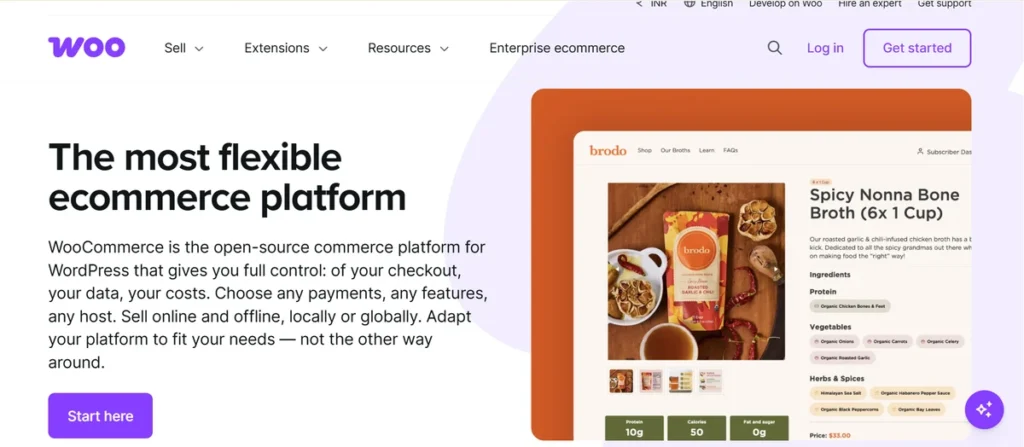
WooCommerce is a popular open-source eCommerce plugin for WordPress, widely used by small and mid-sized businesses. It is highly flexible and cost-effective, making it a strong choice for companies looking for Custom WooCommerce Development to build tailored and scalable B2B solutions, though it works best for simpler B2B setups.
» Key Features
- WordPress-based store setup and management
- Large plugin ecosystem for extending features
- Product, inventory, and SKU management tools
- SEO-friendly structure with WordPress integration
- Flexible customization through themes and plugins
Pros
- Low-cost solution
- Highly customizable
- Strong community support
Cons
- Depends heavily on WordPress
- Extra plugin and hosting costs
- Limited scalability for large enterprises
5. Salesforce Commerce Cloud
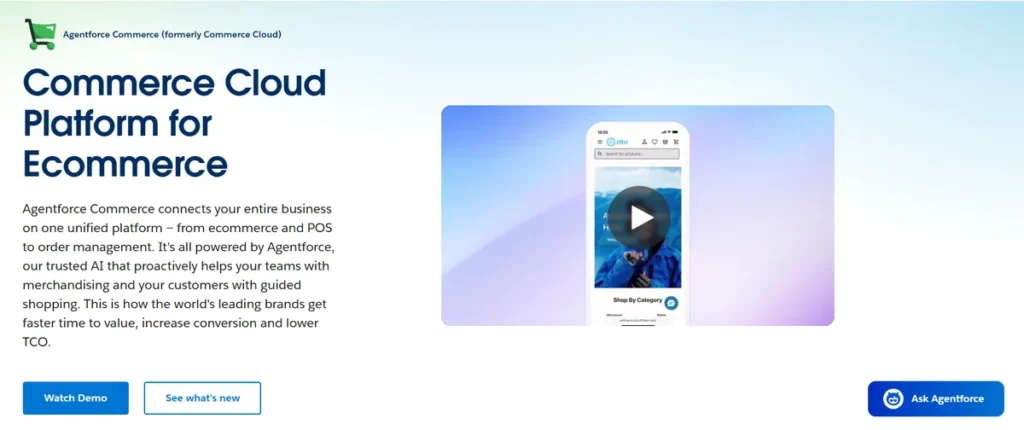
Salesforce Commerce Cloud is an enterprise-grade platform focused on businesses already using the Salesforce ecosystem. It combines commerce with CRM for a unified customer experience.
» Key Features
- Deep integration with Salesforce CRM
- AI-driven personalization and recommendations
- Omnichannel commerce support
- Advanced analytics and reporting tools
- Unified customer experience across channels
Pros
- Strong enterprise CRM ecosystem
- Excellent customer insights
- Highly scalable
Cons
- Very expensive
- Complex implementation
- Requires expert setup
6. OroCommerce
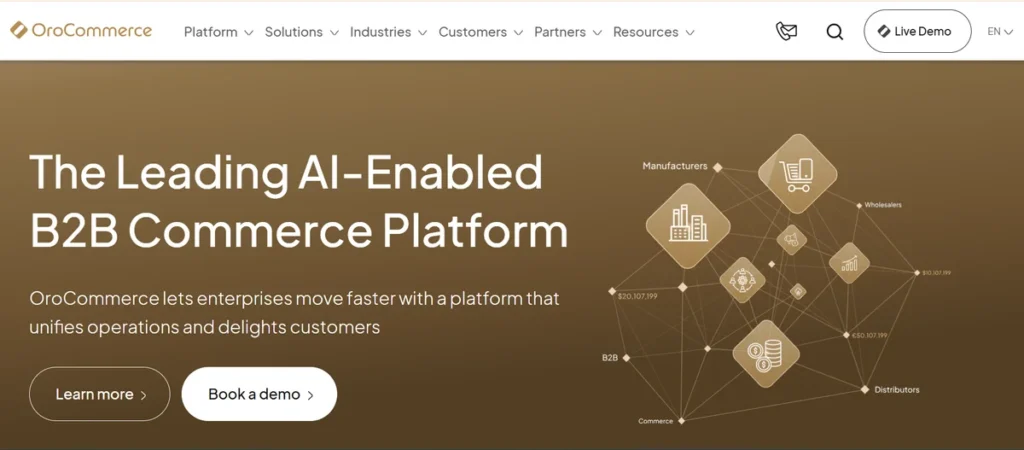
OroCommerce is a B2B-first platform built specifically for wholesalers and manufacturers. It focuses on complex B2B workflows such as RFQs, account hierarchies, and advanced customer management.
» Key Features
- Built-in RFQ (Request for Quote) system
- Advanced approval workflows for B2B orders
- Customer account hierarchy management
- API-driven modular architecture
- Strong support for complex B2B pricing models
Pros
- Designed specifically for B2B
- Strong workflow management
- Highly flexible for complex use cases
Cons
- Steep learning curve
- Requires technical expertise
- High implementation cost
7. Sana Commerce
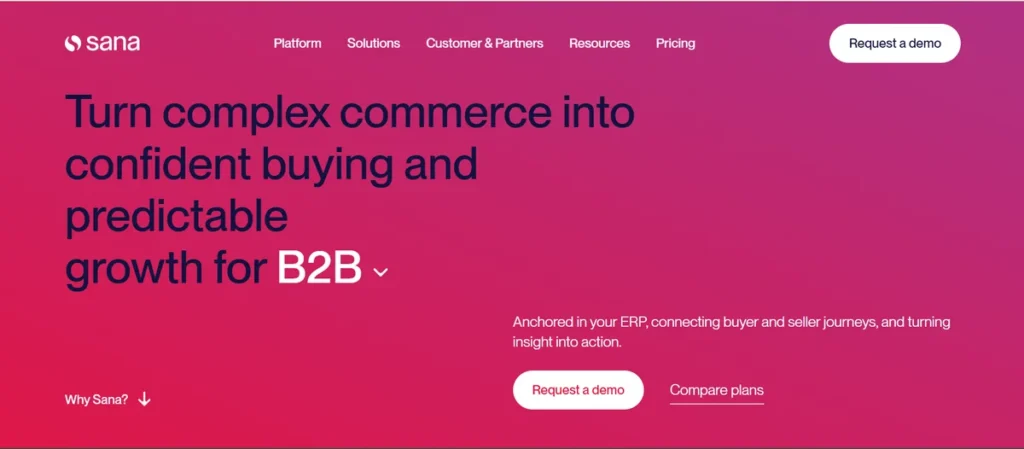
Sana Commerce is built for businesses that rely heavily on ERP systems like SAP and Microsoft Dynamics. It connects eCommerce directly with ERP data for real-time accuracy.
» Key Features
- Real-time ERP integration for pricing and inventory
- Automated order processing and updates
- Customer-specific product and pricing display
- Seamless synchronization with business systems
- Reduced manual data entry and errors
Pros
- Excellent for ERP-driven companies
- Reduces data duplication
- Improves operational accuracy
Cons
- Limited flexibility outside ERP systems
- Complex setup process
- Not ideal for non-ERP businesses
8. PrestaShop
PrestaShop is an open-source eCommerce platform popular among small and medium businesses looking for flexibility and multilingual support.
» Key Features
- Open-source and highly customizable structure
- Multi-language and multi-currency support
- Modular system with add-ons and extensions
- Basic B2B functionality support
- SEO optimization tools for better visibility
Pros
- Free core platform
- Flexible and customizable
- Strong global community
Cons
- Requires technical setup
- Extra module costs
- Limited enterprise scalability
9. CS-Cart
CS-Cart is a flexible eCommerce solution often used for B2B marketplaces and multi-vendor setups. It is suitable for SMBs that want quick deployment with moderate customization.
» Key Features
- Multi-vendor marketplace functionality
- Bulk ordering and B2B sales tools
- Built-in admin and vendor dashboard
- SEO-friendly store structure
- Easy product and catalog management
Pros
- Easy to manage for SMBs
- Good marketplace capabilities
- Quick setup process
Cons
- Limited enterprise scalability
- Smaller ecosystem
- Fewer advanced B2B tools
10. WizCommerce
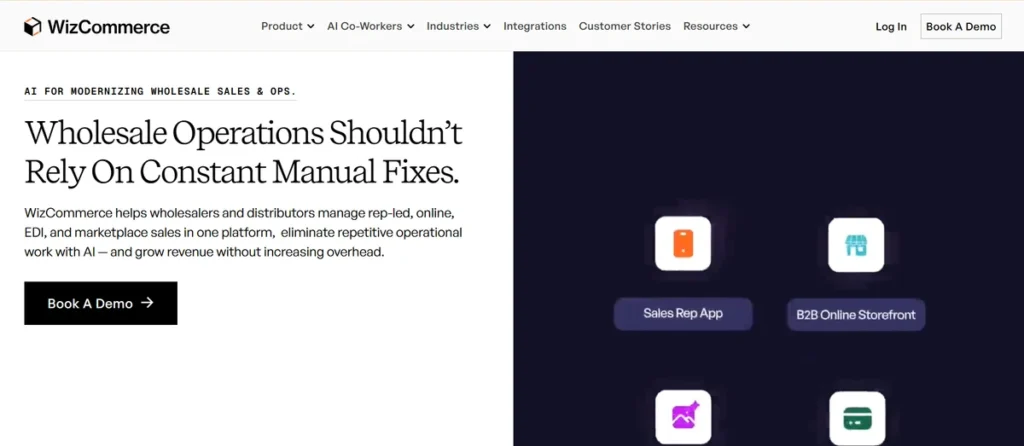
WizCommerce is a modern B2B-focused platform designed for wholesalers and distributors who want fast deployment and automation. It focuses on simplifying complex sales processes.
» Key Features
- Automated B2B sales workflows
- ERP and system integration support
- Fast setup and go-to-market capability
- Digital ordering and catalog management
- Tools for reducing manual sales operations
Pros
- Fast implementation
- Strong B2B-specific focus
- Reduces manual operations
Cons
- Limited B2C functionality
- Smaller ecosystem compared to larger platforms
- Best suited for niche B2B use cases
What Are the Types of B2B eCommerce Software?
B2B eCommerce software is not one single type of solution. Different businesses need different systems based on how they sell, manage inventory, and interact with buyers. In 2026, most B2B platforms fall into a few main categories.
1. SaaS B2B eCommerce Platforms
SaaS (Software-as-a-Service) platforms are cloud-based solutions that are ready to use without heavy setup or infrastructure management. They are popular because they are fast to launch and easy to scale.
These platforms handle hosting, security, and updates, so businesses can focus on sales and operations.
2. Open-Source eCommerce Software
Open-source platforms give full control over customization and code. Businesses can modify features, design, and workflows based on their exact requirements.
They are flexible but require technical knowledge and development support.
3. Enterprise B2B eCommerce Platforms
Enterprise solutions are built for large organizations with complex operations like multi-store management, global selling, and advanced pricing rules.
They offer high scalability, strong security, and deep customization but come with higher cost and complexity.
4. ERP-Integrated eCommerce Software
These platforms are designed to connect directly with ERP systems to sync inventory, pricing, orders, and customer data in real time.
They are ideal for manufacturers and distributors who rely heavily on backend systems for operations.
5. B2B Marketplace Platforms
Marketplace software allows multiple vendors to sell products on a single platform. It is commonly used for wholesale marketplaces or distributor networks.
These platforms support vendor management, commission systems, and multi-seller operations.
How to Choose the Right B2B eCommerce Platform?
Choosing the right B2B eCommerce platform is important because it directly affects your sales performance, operational efficiency, and customer experience. The best platform should match your business needs and support long-term growth.
Here are the key factors to consider:
- Understand your business model: Identify whether you are a wholesaler, manufacturer, distributor, or hybrid business, as each needs different B2B capabilities.
- Check essential B2B features: Look for features like bulk ordering, custom pricing, quote management (RFQ), and multi-user business accounts.
- Evaluate integration options: Ensure the platform connects easily with ERP, CRM, payment gateways, and inventory systems for smooth operations.
- Focus on scalability: The platform should handle growing product catalogs, increasing traffic, and expanding business operations without performance issues.
- Consider total cost: Don’t just look at subscription cost—include setup, plugins, development, and long-term maintenance expenses.
- Check user experience (UX): A clean design, fast loading speed, mobile-friendly interface, and easy checkout improve conversions.
- Ensure security and reliability: Look for strong data protection, secure transactions, and stable uptime for enterprise-level trust.
A well-chosen platform helps streamline operations, improve buyer experience, and support sustainable business growth.
Final Thought
The B2B eCommerce landscape in 2026 is more competitive and technology-driven than ever. Businesses are no longer just moving online they are upgrading to smarter, faster, and more scalable commerce systems that improve every stage of the buying journey.
Whether you choose a SaaS platform, an open-source solution, or an enterprise-grade system, the right decision depends on your business model, integration needs, and growth plans.
Platforms like Shopify, BigCommerce, Adobe Commerce, and others offer powerful tools but the best choice is the one that aligns with your long-term strategy.
At the end of the day, a strong B2B eCommerce platform is not just a tool for selling products. it is a foundation for efficiency, customer experience, and business growth.