
Live chat can be a game changer for your ecommerce store.
Connecting with customers in real time allows you to answer questions instantly, resolve concerns, and guide them toward a purchase. This kind of support plays a key role in improving customer experience, increasing sales, and building long-term loyalty.
In fact, customers who engage through live chat often show higher conversion rates, larger order values, and better lifetime value compared to those who don’t.
However, choosing the right live chat apps for your ecommerce store isn’t always easy. With so many tools available, it can be difficult to find the one that truly fits your needs. Your ecommerce platform also plays an important role in overall store performance, scalability, and SEO. If you’re still evaluating platforms, check out our guide on Best E-Commerce Platforms for SEO, Features & Pricing.
That’s why this guide covers the Best Live Chat Software for E-Commerce, along with their key features, pros, and limitations.
By the end, you’ll be able to choose the right live chat solution for your online business with confidence.
Why Live Chat is Important for Online Stores
Live chat has become a key part of successful eCommerce websites. It helps businesses connect with customers at the right moment. When they are browsing, comparing, or ready to buy. Here’s why it matters:
Boosts Conversion Rates
Live chat removes hesitation during the buying process. When customers get instant answers, they feel more confident and are more likely to complete their purchase.
Reduces Cart Abandonment
Many shoppers abandon their carts due to unanswered questions about pricing, delivery, or returns. Live chat allows you to address these concerns in real time and recover potential lost sales.
Improves Customer Satisfaction
Quick and helpful responses create a smooth shopping experience. Customers appreciate fast support, which increases trust and encourages repeat purchases.
Helps with Real-Time Product Queries
Shoppers often need clarity before buying, such as size, features, or availability. Live chat makes it easy to guide them instantly and recommend the right products.
Increases Average Order Value
When customers are assisted during their shopping journey, they are more likely to explore additional products or upgrades, leading to higher order value.
Key Features to Look for in Live Chat Software
Choosing the right live chat tool for your ecommerce store depends on the features it offers. The best tools don’t just enable conversations, they help you convert visitors into customers and manage support efficiently.
Real-Time Messaging & Typing Preview
At its core, live chat should allow instant communication. Features like typing preview and canned responses help agents reply faster and more accurately, improving response time and customer experience.
Chatbot & Automation
Automation helps handle common queries like order status, FAQs, and basic support requests. This reduces workload and ensures customers get quick responses even outside business hours.
Omnichannel Support (WhatsApp, Messenger, Email)
Modern customers use multiple platforms. A good live chat solution should bring all conversations, website chat, social media, and email into one place for easy management.
CRM & E-Commerce Integrations (Shopify, WooCommerce)
Integration with your ecommerce platform and CRM is essential. It allows you to access customer data, order history, and preferences directly within the chat, helping you provide more personalized support.
Analytics & Reporting
Detailed reports help you track performance, measure conversions, and understand customer behavior. You can see which conversations lead to sales and optimize your strategy accordingly.
Mobile Support
Customization & Branding
The ability to customize chat widgets colors, messages, and design helps match your store’s branding and create a consistent user experience.
Best Live Chat Software for ECommerce (Top Tools List)
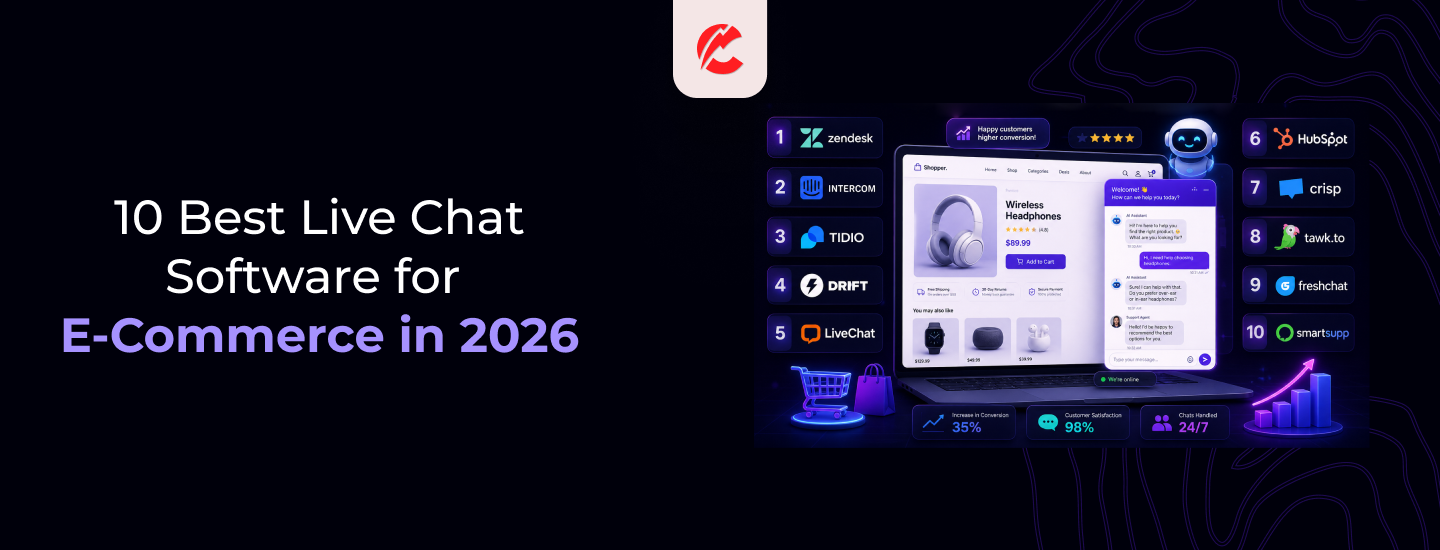
Here is our curated list of the top 10 best live chat tools for e-commerce in 2026.
1. LiveChat
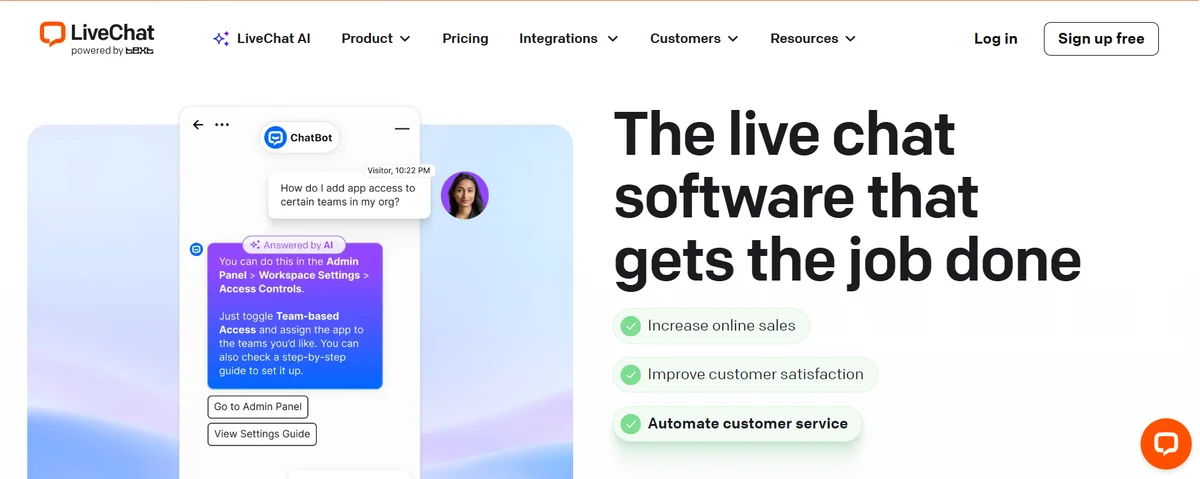
LiveChat is a well-established and versatile solution known for its speed, a vast array of pre-built integrations (over 200), and advanced analytics. It’s a purely chat-focused tool that excels in providing a seamless and responsive customer experience.
- Best for: Established e-commerce stores looking for a reliable, fast, and scalable chat solution.
- Key Features: Chat routing, built-in ticketing, detailed reporting, and 200+ integrations.
- Pros: Highly customizable, excellent reporting suite, powerful API, and deep Shopify integration.
- Cons: Can be more expensive for larger teams, and the AI features are more basic compared to specialized AI-first tools.
- Pricing: Starts around $20/agent/month
2. Tidio
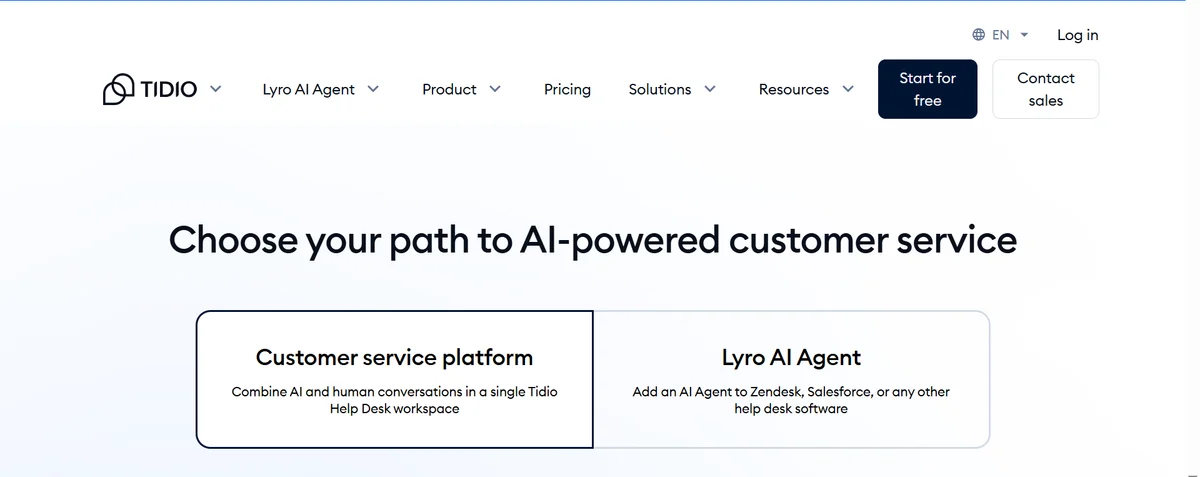
Tidio is a brilliant hybrid platform, combining a user-friendly live chat with a powerful AI chatbot (Lyro) at a very accessible price point. Its “Freemium” model makes it a top choice for startups and small-to-mid-sized stores.
- Best for: Small to mid-sized e-commerce stores seeking a single tool for live chat and AI automation.
- Key Features: Lyro AI chatbot that handles up to 70% of FAQs, a visual chatbot builder, and visitor tracking.
- Pros: Very easy to set up, generous free plan, excellent value for money, and deep Shopify/WooCommerce integration.
- Cons: Advanced features are locked behind higher-tier plans, and the helpdesk functionality is more basic.
- Pricing: Free plan (50 conversations/month). Paid plans start at $24.17/month.
3. Gorgias
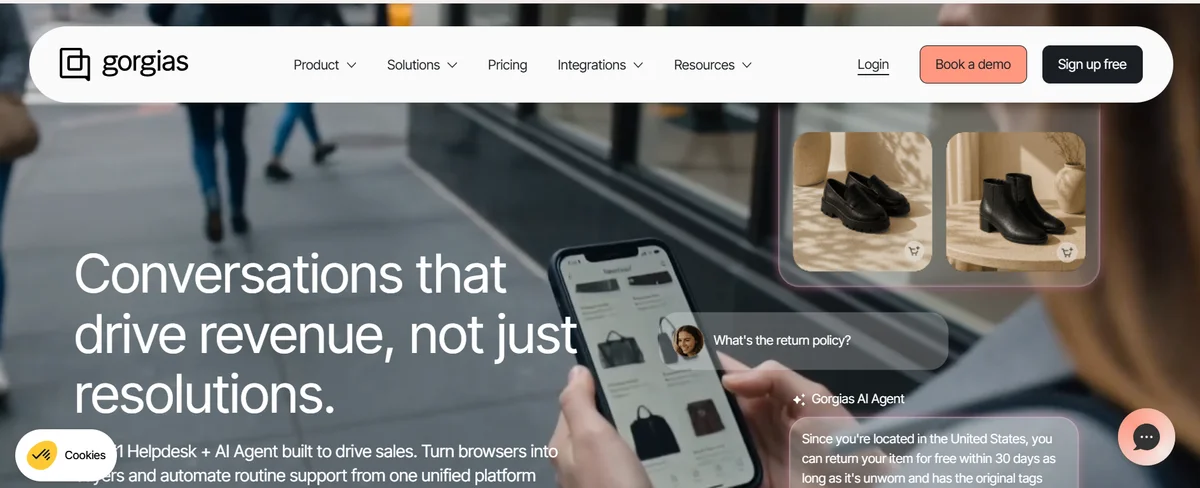
Gorgias is the gold standard for helpdesk and live chat software built specifically for e-commerce. It’s a powerhouse for Shopify, BigCommerce, and Magento stores, allowing agents to manage all support channels from a single, unified view.
- Best for: High-volume, scaling Shopify stores and e-commerce brands that need deep integration with their backend.
- Key Features: Unified inbox for chat, email, SMS, and social media; macros (automated responses); direct order management (refunds, cancellations) from helpdesk; intent and sentiment detection.
- Pros: Unmatched e-commerce integrations, excellent for team collaboration, great automation for support workflows.
- Cons: Pricing is based on ticket volume, which can get expensive for fast-growing businesses. AI automation can add to the cost.
- Pricing: Starts around $10/month (ticket-based)
4. Zendesk (Suite Plans)
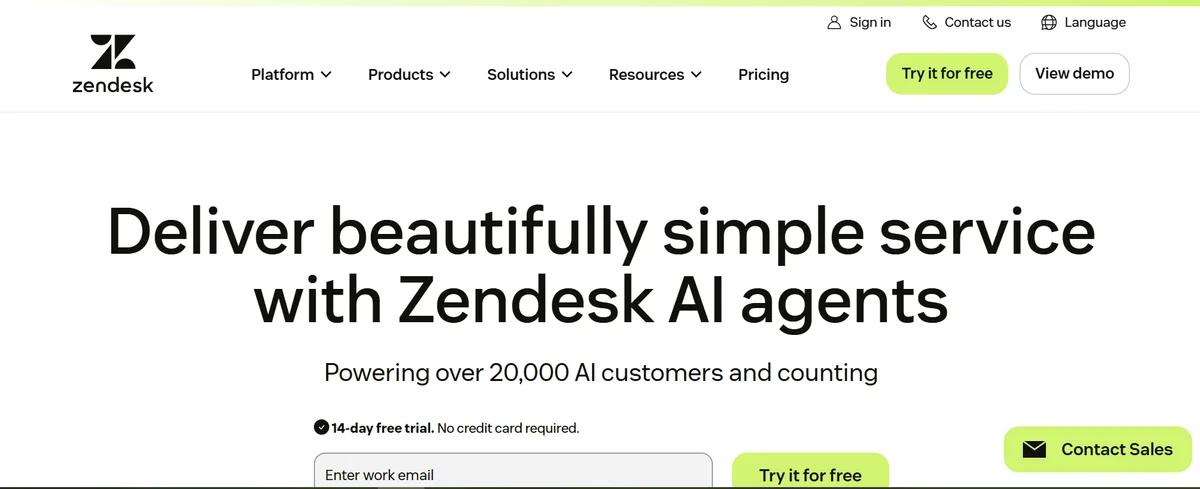
Zendesk is an enterprise-grade customer service platform where live chat is a key component of a wider omnichannel suite. While the standalone “Zendesk Chat” is available (starting at $11/agent/month), its power comes from bundling with its full ticketing and support system.
-
- Best for: Medium to large businesses needing a full-featured, scalable, enterprise-level support system.
- Key Features: Robust ticketing system, extensive knowledge base, powerful reporting, AI agents bundled into higher-tier plans, and a marketplace of over 1,200 apps.
- Pros: Highly scalable, industry-standard tool with mature features, best for complex omnichannel support operations.
- Cons: Can be complex to set up and expensive. The chat functionality is part of a larger suite, so you pay for more than just chat.
- Pricing: Suite plans include chat, starting at $55/agent/month (Suite Team). A 14-day free trial is available.
5. Freshdesk Messaging (formerly Freshchat)
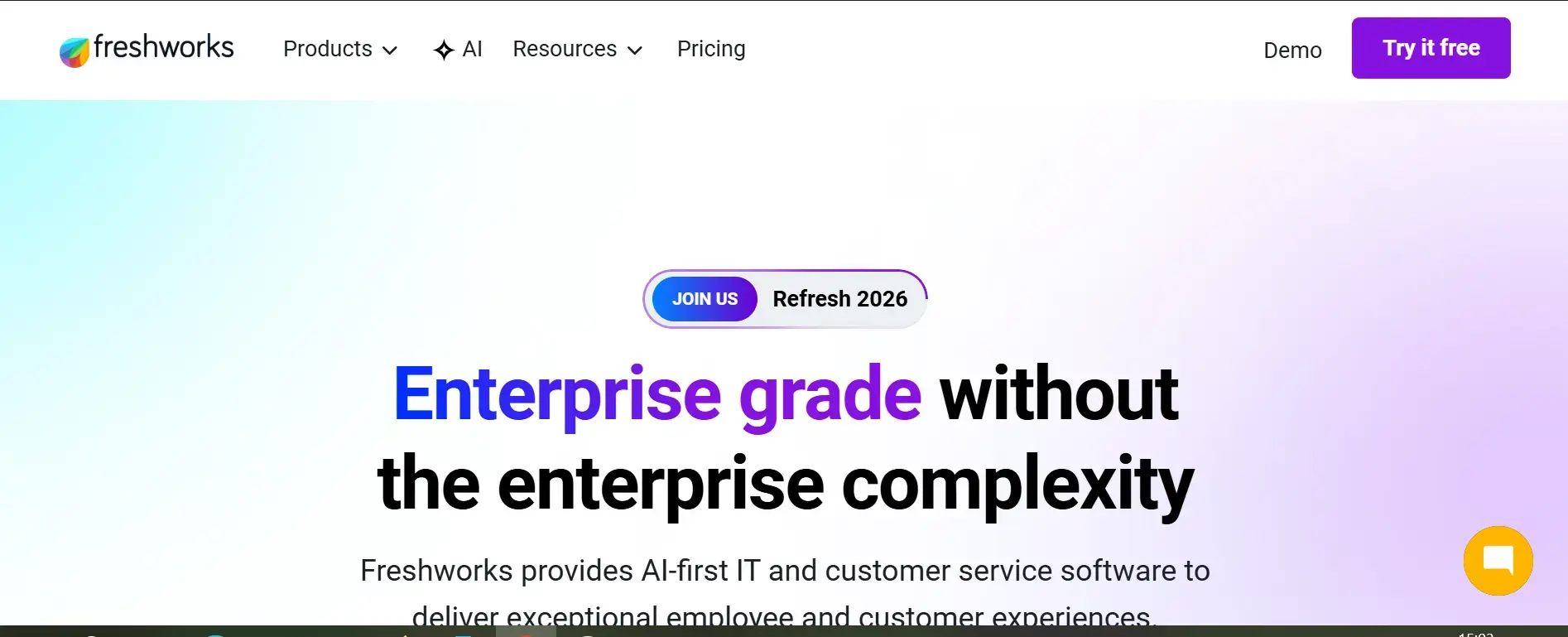
Freshdesk Messaging is a modern messaging platform designed as an alternative to traditional live chat. It emphasizes persistent conversations that can continue across a customer’s journey, from website to mobile app. It’s part of the larger Freshworks ecosystem.
- Best for: E-commerce brands desiring a modern, unified messaging experience across web and mobile.
- Key Features: Unified inbox across web, SMS, and messaging apps; campaign tools for WhatsApp; AI agent for automating common sales and support requests.
- Pros: Modern approach with persistent conversations; good automation tools; integrates well with other Freshworks products.
- Cons: Core advanced features like automation and reporting are in higher-priced plans; costs can escalate with AI add-ons.
- Pricing: Starts at $19/agent/month (for Freshdesk Messaging) when billed yearly. A free plan is available with limited features.
6. Intercom
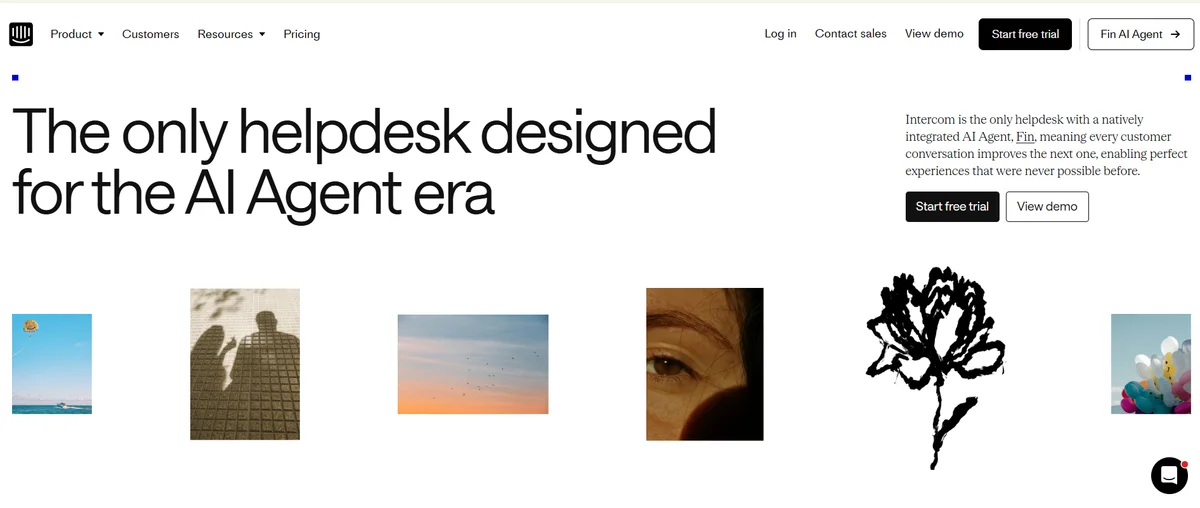
Intercom is a sophisticated, mature platform that goes beyond support to include tools for product tours and marketing. It is built with a “customer engagement” philosophy, making it ideal for businesses that want to guide users through their entire lifecycle.
- Best for: Growing SaaS and tech-focused e-commerce stores that need a robust customer engagement and product-led growth platform.
- Key Features: Advanced AI agent (Fin) for automated resolutions, customizable messenger with product tours, proactive messaging campaigns, and a shared team inbox.
- Pros: Mature and reliable enterprise-grade platform, powerful AI, excellent for product onboarding and marketing.
- Cons: Pricing is complex (per-seat + add-ons) and can become very expensive as you scale. Includes many features you may not need for pure support.
- Pricing: The Essential plan starts at $29/seat/month∗(annual)
7. tawk.to
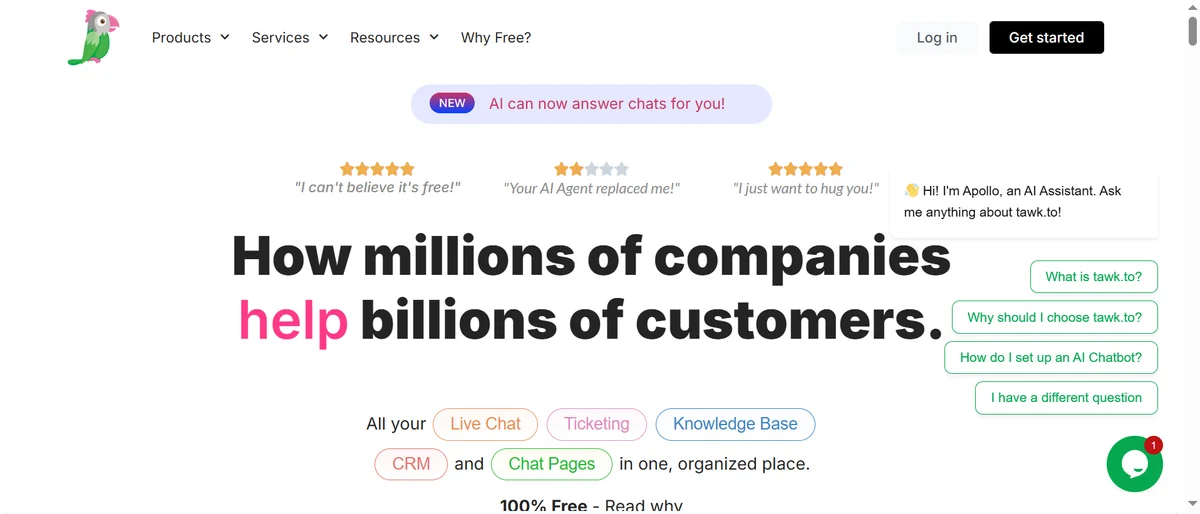
tawk.to is the most popular 100% free live chat solution for a reason. It offers unlimited agents, unlimited chats, and a full set of features including a knowledge base and ticketing system, with no hidden costs.
- Best for: Budget-conscious startups, small businesses, and stores with high traffic but low support budgets.
- Key Features: 100% free core product, unlimited agents and chat history, built-in ticketing, a hosted knowledge base, and real-time visitor monitoring.
- Pros: Completely free forever, unlimited features, very easy to set up and use.
- Cons: The interface feels dated; proactive chat triggers are limited; the business model focuses on selling professional chat agent services.
- Pricing: $0/month for the core product.
8. Re:amaze
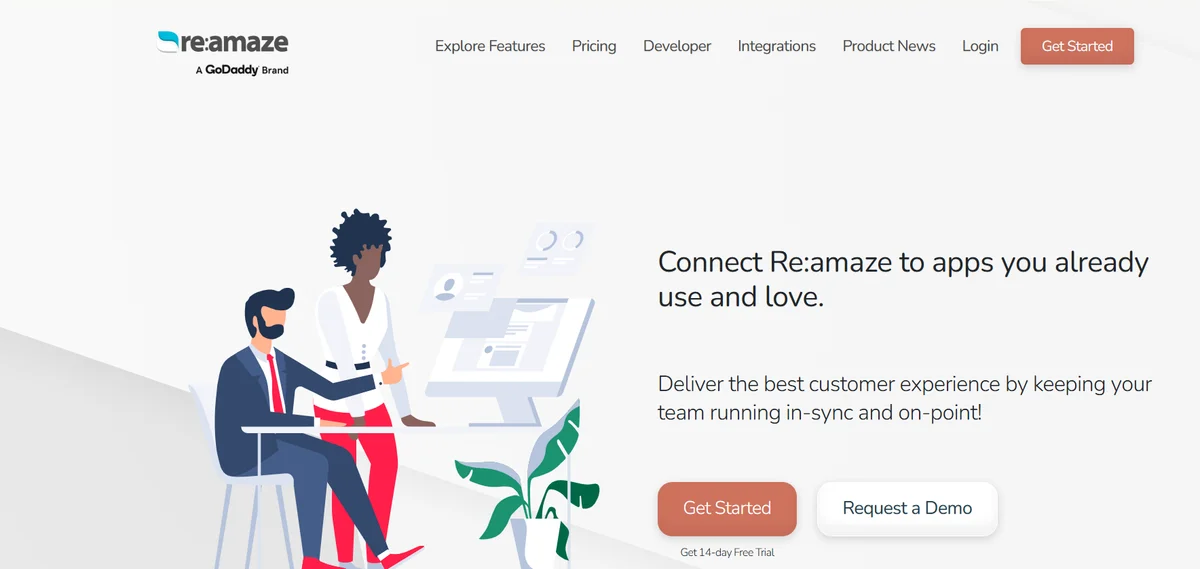
Re:amaze is a multi-purpose e-commerce helpdesk that combines live chat, a CRM, and marketing automation. It’s a great all-in-one choice for small to medium-sized brands, especially those selling on multiple platforms, as it unifies orders and customer data from various sales channels.
- Best for: Multi-brand or multi-channel e-commerce stores needing a unified helpdesk with CRM capabilities.
- Key Features: Unified inbox for all customer conversations (over 70 integrations); workflows and automation; advanced e-commerce data sync; and a built-in CRM.
- Pros: Great value for money at its price point; deep integration with e-commerce platforms saves agents time; solid all-in-one solution.
- Cons: The user interface can feel a bit busy; its marketing automation features are not as advanced as dedicated tools.
- Pricing: Starts at $29/user/month (Basic).
9. Olark
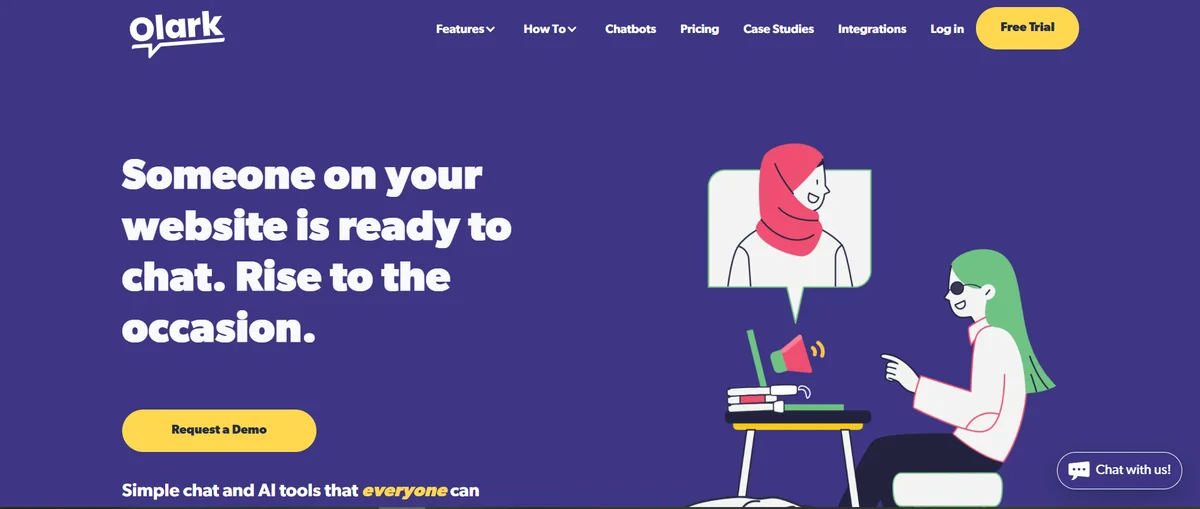
Olark is a simple, straightforward, and reliable live chat tool focused purely on doing one thing well: connecting you with your website visitors in real time. It’s known for its easy setup, clean interface, and beloved customizability.
- Best for: Businesses of all sizes that want a no-fuss, reliable, and customizable live chat solution without complex features.
- Key Features: Unlimited conversations, agent co-browsing (see customer screens), pre-chat forms, chat ratings, and powerful data integration via Olark’s “Pie” feature.
- Pros: Extremely easy to set up (copy and paste a code snippet), highly customizable chat box, reliable real-time performance, and GDPR-ready.
- Cons: Lacks native AI chatbot capabilities; reporting features are more basic compared to others on this list.
- Pricing: Starts at $29/agent/month (month-to-month), with discounts for longer commitments. No free plan, but a 14-day trial is available.
10. HubSpot Live Chat (Service Hub)
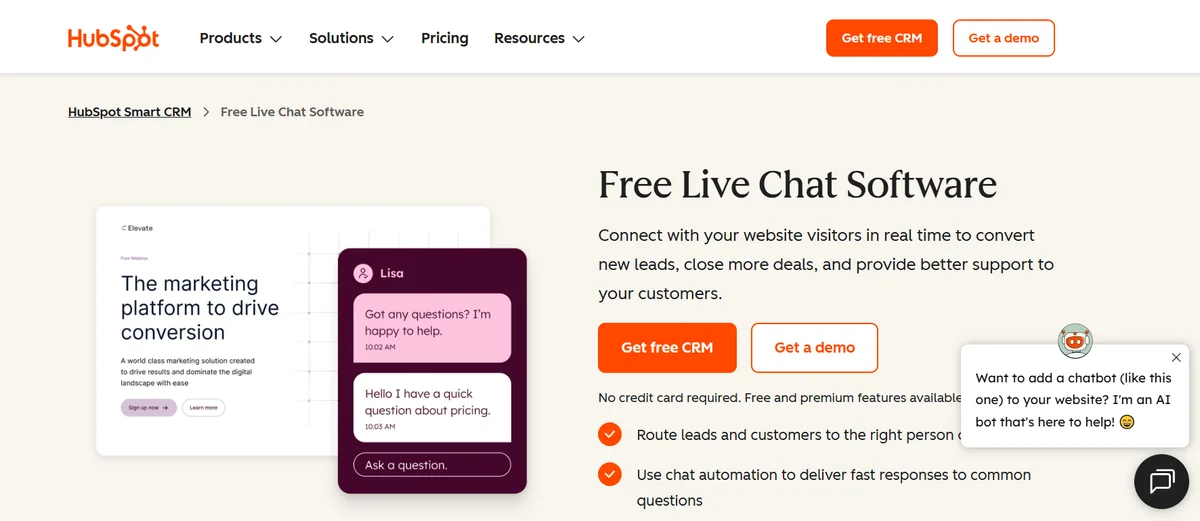
HubSpot’s live chat isn’t a standalone tool; it’s a seamless part of its powerful, free-to-start CRM, marketing, and sales platform. For businesses already using HubSpot, it’s the obvious choice.
- Best for: Businesses already using the HubSpot ecosystem or those wanting a completely free, entry-level live chat integrated with a powerful CRM.
- Key Features: Seamless CRM data integration (see all contact info and history in the chat), chatbot builder, email templates, and live chat directly on your website.
- Pros: Free tier is truly useful for a single user; deep integration with the HubSpot CRM; can automate simple questions with its chatbot.
- Cons: AI features are charged per usage (credits); scaling up to higher tiers can get expensive quickly.
- Pricing: Free plan includes basic CRM and live chat with HubSpot branding. Paid Starter plan for chat is around $20/month.
How to Choose the Right Live Chat Software for Online Stores
The “best” tool depends entirely on your specific needs. Here’s how to choose based on your business size and budget:
Based on Business Size:
- Small Stores (e.g., startups, small shops): Start with tawk.to (free, unlimited) or the free plan of Tidio or HubSpot. These require minimal financial commitment and are easy to set up.
- Medium Stores (e.g., growing brands with a team): Upgrade to Tidio’s paid plan or Re:amaze for its excellent all-in-one helpdesk and CRM capabilities. They offer great automation and integration for a reasonable price.
- Enterprise (e.g., large, high-volume stores): Invest in a platform like Gorgias (if on Shopify) for its deep e-commerce integration, or Zendesk for a highly scalable, enterprise-grade omnichannel solution.
Based on Budget:
- $0 Budget: tawk.to and free tiers of Tidio and HubSpot are your best bets.
- $20−$50 per month: Tidio, LiveChat’s Starter plan, and Re:amaze offer excellent value at this price point.
- $50−$150+ per month: Options like LiveChat’s Business plan, Gorgias, Freshdesk, and the Zendesk Suite provide the advanced features and scalability needed for growth.
Common Mistakes to Avoid
- Choosing a Tool Without Integrations: Without integrations to your CRM, e-commerce platform, or helpdesk, your agents will be wasting time copying and pasting information.
- Ignoring Chatbot Automation: Failing to use a chatbot for common questions adds unnecessary workload to your support agents and slows down response times.
- Overpaying for Features You Don’t Use: Don’t buy an enterprise-level solution if your store only gets 100 visitors a day. Start simple and scale up.
Poor Response Time: A slow response defeats the purpose of live chat. A single delayed response can turn a ready-to-buy customer into a lost sale.
Conclusion
Live chat is no longer optional for e-commerce. It’s essential.
The right live chat app for your ecommerce store can improve customer experience, increase conversions, and drive more revenue.
If you’re just starting out, tools like tawk.to or HubSpot are great. For growing businesses, Tidio and LiveChat offer the right balance of features and scalability.
Take the time to evaluate your needs, test a few options, and choose the best ecommerce live chat software that fits your business goals.