
Real Headless Shopify Case Studies: How Brands Improved Speed, SEO & Conversions (2026)
Headless commerce has moved beyond being a niche architecture used only by enterprise retailers. In 2026, many fast-growing Shopify brands are exploring headless storefronts to improve speed, user experience, and scalability.
However, the biggest question merchants ask is:
Does going headless actually improve performance and conversions?
The answer depends on how the architecture is implemented. Many successful ecommerce companies have achieved measurable improvements after migrating to headless Shopify storefronts.
This article explores real-world examples and implementation patterns that demonstrate the impact of headless commerce on speed, SEO, and conversion optimization.
Why Brands Move to Headless Shopify
Before looking at examples, it’s important to understand why brands adopt headless architecture in the first place.
Most Shopify stores begin with traditional themes. As brands scale, they often face limitations in:
- page speed performance
- design flexibility
- personalization capabilities
- omnichannel experiences
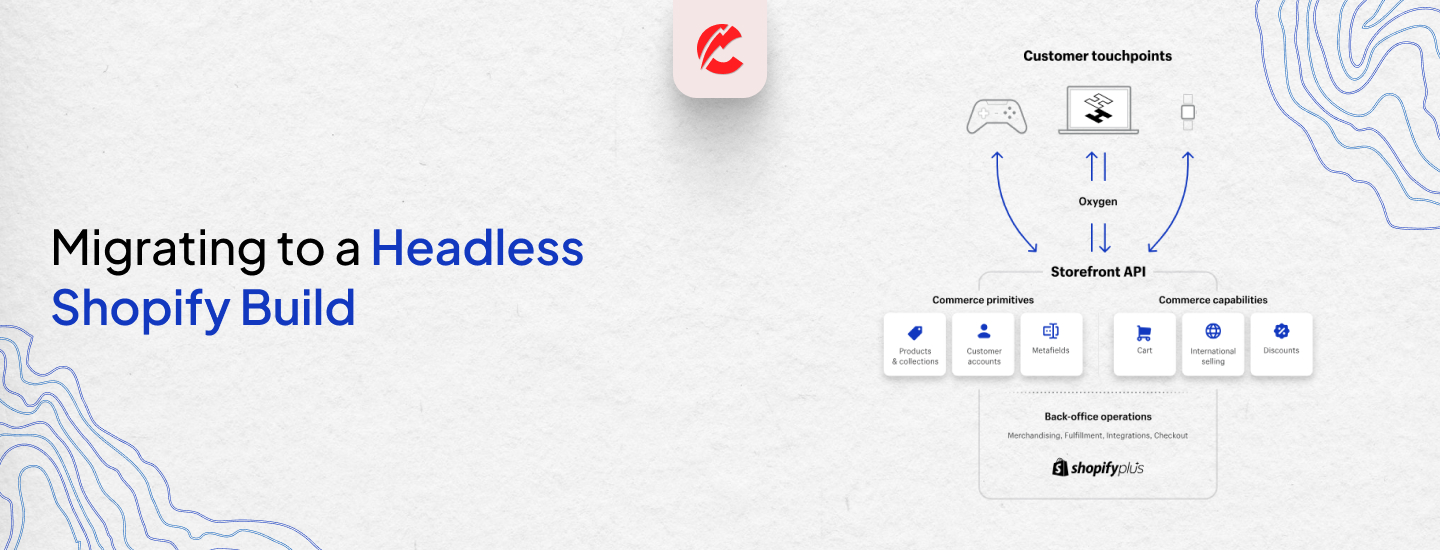
Headless commerce solves these limitations by separating the frontend from Shopify’s backend commerce engine.
Developers typically build storefronts using frameworks like:
- Next.js
- Shopify Hydrogen
- Nuxt.js
These storefronts communicate with Shopify through APIs such as:
-
Shopify Storefront API
Case Study 1: High-Growth DTC Apparel Brand
Challenge
A fast-growing apparel brand selling primarily in the USA and UK experienced major performance issues with its Shopify theme.
Problems included:
- slow product pages
- heavy scripts from multiple apps
- declining mobile conversion rates
The brand needed a faster and more flexible storefront.
Also Read: Shopify Store Setup for Fashion & Lifestyle Brand Vyati
Solution
The company rebuilt its storefront using:
- Next.js
- Shopify Storefront API
The new architecture introduced:
- server-side rendering
- optimized product page components
- CDN-based asset delivery
Results
After migrating to headless architecture, the brand reported:
- 40% faster page load times
- 18% increase in mobile conversion rate
- 22% improvement in engagement time
The faster experience significantly improved customer journeys.
Case Study 2: Global Beauty Brand
Challenge
A beauty brand operating in multiple regions including the USA, Canada, and Australia needed to localize its storefront experience.
Their Shopify theme struggled to manage:
- multi-region content
- localized landing pages
- complex marketing campaigns
Solution
The company implemented a headless architecture using:
- Shopify Hydrogen
- Contentful
This allowed marketing teams to manage regional content independently.
Results
The brand achieved several improvements:
- faster content publishing workflows
- localized product experiences
- improved SEO rankings in regional markets
Organic traffic increased significantly due to better content control.
Case Study 3: Electronics Retailer
Challenge
An electronics retailer selling complex products needed advanced product comparison features.
Traditional Shopify themes struggled with:
- dynamic comparison tools
- interactive product pages
- advanced filtering
Solution
The retailer built a custom storefront using:
- Next.js
- Sanity
Developers created dynamic product comparison modules and interactive UI components.
Results
The headless storefront delivered major improvements:
- 30% increase in average session duration
- improved product discovery
- higher average order value
Customers spent more time exploring products before purchasing.
Case Study 4: Subscription-Based Wellness Brand
Challenge
A subscription wellness company required a seamless subscription onboarding experience.
Their Shopify theme made it difficult to build:
- interactive onboarding flows
- personalized product recommendations
- dynamic subscription customization
Solution
The brand developed a custom storefront powered by:
- Shopify Hydrogen
- Segment
This allowed deeper personalization and behavioral targeting.
Results
Key improvements included:
- higher subscription signup rates
- improved personalization
- stronger retention metrics
The custom experience significantly improved customer lifetime value.
Key Performance Improvements in Headless Shopify
Across these examples, several patterns emerge.
Faster Site Speed
Headless frameworks enable advanced optimization techniques such as:
- server-side rendering
- static site generation
- edge delivery
These technologies dramatically improve performance.
Better SEO Flexibility
Headless storefronts allow brands to control:
- structured data
- metadata
- dynamic landing pages
Frameworks like Next.js enable advanced SEO implementation.
Advanced Personalization
Headless architecture integrates easily with customer data platforms and personalization tools.
Platforms like Segment help create tailored shopping experiences.
Improved Conversion Optimization
Custom storefronts allow deeper experimentation with:
- page layouts
- checkout flows
- product discovery features
This flexibility helps brands continuously optimize conversion rates.
Lessons Learned from Headless Shopify Projects
Despite the benefits, successful headless implementations share several common lessons.
Plan SEO Early
SEO architecture should be built into the development process.
Simplify the Tech Stack
Too many integrations can slow development.
Ensure Analytics Accuracy
Tracking systems must be carefully implemented.
Invest in Experienced Developers
Headless architecture requires strong technical expertise.
Is Headless Shopify Right for Every Brand?
Not every Shopify store needs headless architecture.
Headless implementations make the most sense for brands that:
- operate internationally
- require advanced customization
- manage complex product catalogs
- want advanced personalization
Smaller stores often achieve excellent results with modern Shopify themes.
Final Thoughts
Headless Shopify is transforming how ecommerce storefronts are built.
The real-world examples above show that when implemented correctly, headless architecture can significantly improve:
- site performance
- SEO visibility
- conversion rates
- personalization capabilities
However, the key to success is choosing the right architecture based on business needs—not simply following technology trends.
For high-growth Shopify brands in markets like the USA, UK, Canada, and Australia, headless commerce can unlock a powerful competitive advantage in 2026 and beyond.