
Introduction: Why Headless Is the 2026 Commerce Conversation
In 2026, performance, personalization, and omnichannel experiences are no longer optional. Shopify brands competing in the USA, UK, Canada, and Australia are facing:
- Rising ad costs
- Higher customer expectations
- Stricter performance benchmarks
- Multi-channel selling demands
That’s why “headless commerce” has moved from developer buzzword to boardroom strategy — especially for brands using Shopify.
But what exactly is headless commerce? And more importantly — who actually needs it?
Let’s break it down.
What Is Headless Commerce?
Traditional Shopify stores use:
Frontend (theme) + Backend (Shopify engine) — tightly connected.
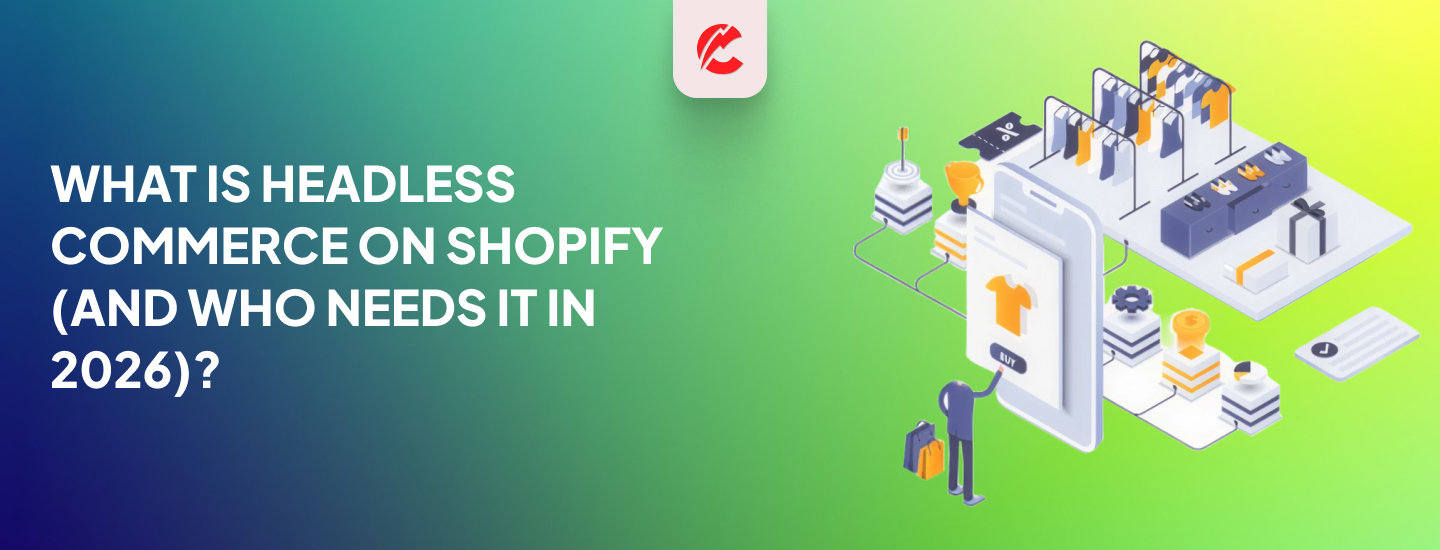
Headless commerce separates (decouples) the frontend from the backend.
In a headless setup:
- Shopify handles products, checkout, inventory, payments
- A custom frontend (built using modern frameworks) handles the customer experience
- Both communicate via APIs like the Shopify Storefront API
Think of it as:
- Shopify = Commerce Engine
- Custom Frontend = Experience Layer
This separation gives brands total design and performance control.
Shopify’s Headless Ecosystem in 2026
Shopify has invested heavily in headless infrastructure. The modern stack includes:
1. Shopify Hydrogen
A React-based framework built specifically for Shopify storefronts.
2. Shopify Oxygen
Shopify’s global edge hosting solution for Hydrogen storefronts.
3. Storefront API
Allows your custom frontend to fetch product data, carts, and checkout sessions.
4. Shopify Plus (Optional but Common)
Enterprise brands often combine headless with Shopify Plus for advanced automation and scalability.
Why Brands Are Going Headless in 2026
1. Extreme Performance Gains
Headless stores can achieve:
- Faster load times
- Improved Core Web Vitals
- Lower bounce rates
In competitive markets like the USA and UK, milliseconds directly impact revenue.
2. Total UX Freedom
With themes, you work within Shopify’s structure.
With headless, you can:
- Create fully immersive product storytelling
- Build custom checkout flows
- Deliver app-like experiences
- Integrate AR, 3D, configurators
Perfect for DTC brands that compete on experience.
3. Omnichannel Selling
Headless makes it easier to:
- Power mobile apps
- Integrate POS
- Sell via smart devices
- Connect to marketplaces
- Support in-store digital screens
Your frontend can be anything — website, app, kiosk — powered by Shopify’s backend.
4. Advanced Personalization
With custom architecture, you can implement:
- AI-driven product recommendations
- Real-time pricing adjustments
- Geo-based experiences (USA vs UK pricing)
- Subscription customizations
This aligns perfectly with AI-powered commerce trends we’ve been covering.
Also Read – The Rise of Headless Shopify — What It Means for Your Business
Who Should Consider Headless in 2026?
Headless is NOT for everyone.
Ideal Candidates:
✔ Brands doing $1M+ annually
✔ High-growth DTC brands
✔ International sellers
✔ Custom product configurators
✔ Heavy personalization needs
✔ Multi-country storefronts
✔ Content-heavy brands (editorial-driven commerce)
Who Should Avoid Headless?
❌ Early-stage stores
❌ Dropshipping beginners
❌ Brands under $250K annually
❌ Merchants without technical teams
Headless adds cost and complexity.
Cost of Going Headless (Realistic 2026 Estimates)
ComponentEstimated CostDevelopment$15,000 – $80,000Ongoing Dev Support$1,000 – $5,000/monthShopify Plan$39 – $2,000+/monthApps & IntegrationsVaries
Headless is an investment — not a quick fix.
Headless vs Shopify Themes (Quick Comparison)
FeatureShopify ThemeHeadlessSpeedGoodExcellentDesign FlexibilityLimitedUnlimitedDev CostLowHighMaintenanceEasyComplexBest ForSMB BrandsScaling / Enterprise
Real-World Example Use Cases
- Luxury fashion brands needing immersive lookbooks
- Supplement brands using dynamic bundles
- Subscription brands with complex refill logic
- International brands serving localized storefronts
SEO & Headless in 2026
A common myth: headless hurts SEO.
Reality:
If implemented correctly with SSR (Server-Side Rendering), headless can outperform theme-based stores in:
- Page speed
- Structured data
- Technical optimization
- Schema flexibility
However, poor implementation can damage rankings.
Is Headless Right for Your Shopify Brand?
Ask yourself:
- Are we limited by our current theme?
- Is performance impacting conversion rates?
- Are we expanding globally?
- Do we require advanced UX customization?
- Can we invest long-term in development?
If the answer is yes to 3+ of these — headless may be worth exploring.
2026 Outlook: Is Headless the Future?
Headless is not replacing traditional Shopify.
Instead:
- 80% of brands will remain theme-based
- 20% of scaling brands will adopt headless
It’s a strategic move — not a default choice.
Final Thoughts
Headless commerce on Shopify unlocks:
- Speed
- Scalability
- Creative freedom
- Omnichannel expansion
But it also requires investment, technical expertise, and strategic clarity.
For CommerceBlot readers in the USA, Canada, UK, and Australia — headless is not about trends. It’s about long-term infrastructure.
In our next post, we’ll break down:
“Hydrogen, Storefront API & Shopify’s Headless Stack Explained (Non-Technical Guide)”